
Search
Silane-Based Concrete Water Repellent: A Core Material for Building Waterproofing & Protection
Concrete is the primary substrate for modern buildings, road and bridge projects, as well as municipal works, valued for its high strength and excellent stability. However, its inherent porous structure allows easy penetration of water, rain, snow and moisture. Prolonged water exposure leads to a host of defects including freeze-thaw damage, steel reinforcement corrosion, surface sanding, cracking and peeling, which drastically shorten the service life of structures. Developed specifically to address these issues, silane-based concrete water repellents have become the preferred solution for long-term waterproofing and deterioration resistance in concrete projects.
Classified as penetrating organosilicon protective materials, silane water repellents differ fundamentally from conventional paint-type waterproof coatings. Instead of merely adhering to the concrete surface, their tiny molecular structure enables deep penetration into the substrate. After being applied by brushing, rolling or spraying, active silane components chemically react with moisture and calcium hydroxide inside concrete pores, forming a dense, durable hydrophobic film on capillary walls. This film does not block the pores, thus preserving the substrate’s breathability — achieving effective waterproofing while allowing vapor transmission. It fundamentally blocks liquid water ingress and enables internal moisture in walls and pavements to escape freely, preventing blistering and delamination caused by trapped vapor.
This product boasts remarkable performance advantages. Firstly, it features excellent penetration capacity: standard grades penetrate several millimeters deep, while long-acting variants permeate further into the concrete surface layer to form an integrated protective barrier. Unlike surface coatings, this layer remains effective against abrasion and scratches, delivering superior wear resistance. Secondly, it offers outstanding weather resistance. Resistant to sunlight, rain, extreme temperature fluctuations, wind and snow, it maintains stable protection for over a decade in open-air environments, making it ideal for bridges, tunnels, outdoor floors, hydraulic structures and other exposed facilities. Thirdly, it has great chemical stability. It withstands erosion from rainwater, deicing agents and mild acidic or alkaline substances, effectively mitigating concrete deterioration on roads and bridges caused by deicing salts in northern regions during winter. Fourthly, it is easy to apply. It can be sprayed, rolled or brushed at ambient temperature with no complicated curing required. Suitable for both new and existing concrete surfaces, it facilitates efficient construction for renovation and restoration projects.
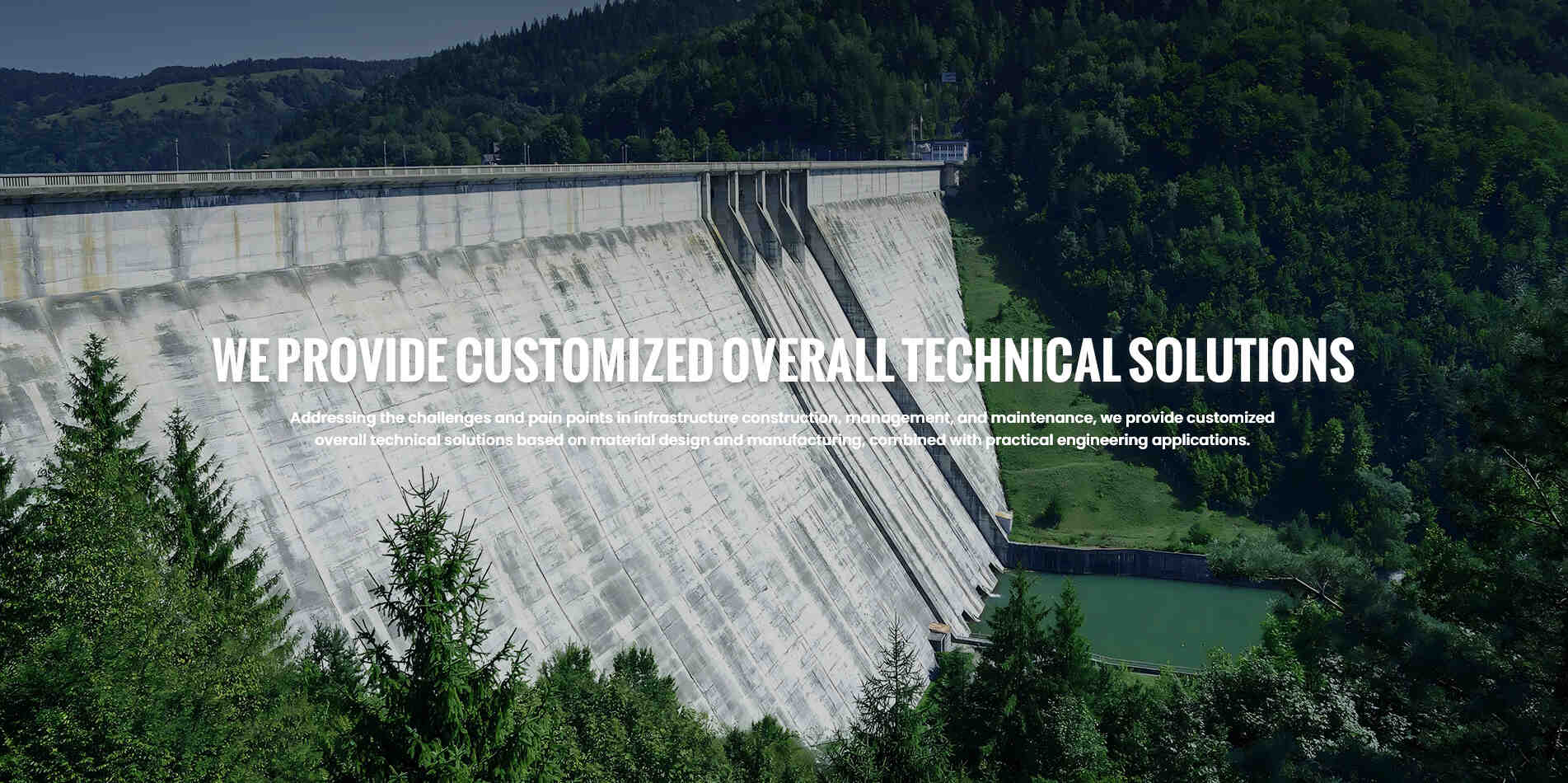
Silane water repellents are widely applied across all types of concrete works. They are extensively used on municipal roads, viaducts and expressway guardrails, which endure constant vehicle loads, rain and snow erosion, as well as freeze-thaw cycles. Treatment with this product greatly reduces the risk of surface peeling and rebar corrosion. For hydraulic projects such as dams, canals and reservoirs that are permanently in contact with water, it blocks water infiltration and secures structural safety. In construction, it resolves dampness, mildew and water staining issues on exterior walls, roofs, basement slabs and balcony concrete surfaces. Additionally, it is commonly used for concrete structures in ports, industrial floors and wastewater treatment plants to enhance corrosion and water penetration resistance.
A diverse range of silane products are available to suit different construction conditions and aesthetic requirements, including neat silane, silane paste, silane emulsion and tinted silane. Low-viscosity liquid formulations are perfect for large-scale mechanical